What happens when the people most targeted by harmful laws decide the system is too painful to participate in? In this powerful and deeply personal piece, Allie explores the growing frustration many transgender Americans feel toward voting, identification laws, and political erasure; while asking a difficult but urgent question: who benefits when marginalized people stop showing up? Through history, hard truths, and one striking example from Kansas, this post challenges the idea that participation equals surrender. It is a raw, emotional call to remain visible, remain defiant, and refuse to disappear.
Allie’s newest blog post is not a comfortable read, and that’s exactly why it matters. In a moment where anti-trans rhetoric is escalating from culture war talking points into the language of government policy and “national security,” this piece refuses to stay quiet. It is raw, furious, deeply personal, and unflinchingly honest about what it feels like to watch a community be slowly reframed as dangerous simply for existing. Woven together with grief over the loss of trans activist SaVanna Wanzer and a powerful call for resilience, this isn’t just another political opinion piece. It is a warning, a memorial, and a declaration of defiance all at once. If you want to understand why so many LGBTQ people feel exhausted, angry, and unwilling to disappear, you need to read this.
Erasure does not always start with locked doors.
Sometimes it starts with a book quietly removed from a shelf. A teacher afraid to say the right name. An ID that refuses to reflect reality. A warning label placed on someone’s existence before they even get to speak.
Our newest blog, “Erasure in Plain Sight: When Identity Becomes a Liability Again,” looks at how identity is being turned into something conditional again and what we risk losing when people are forced to shrink themselves just to survive.
This one is not soft. It is not neutral. And it should make you uncomfortable.
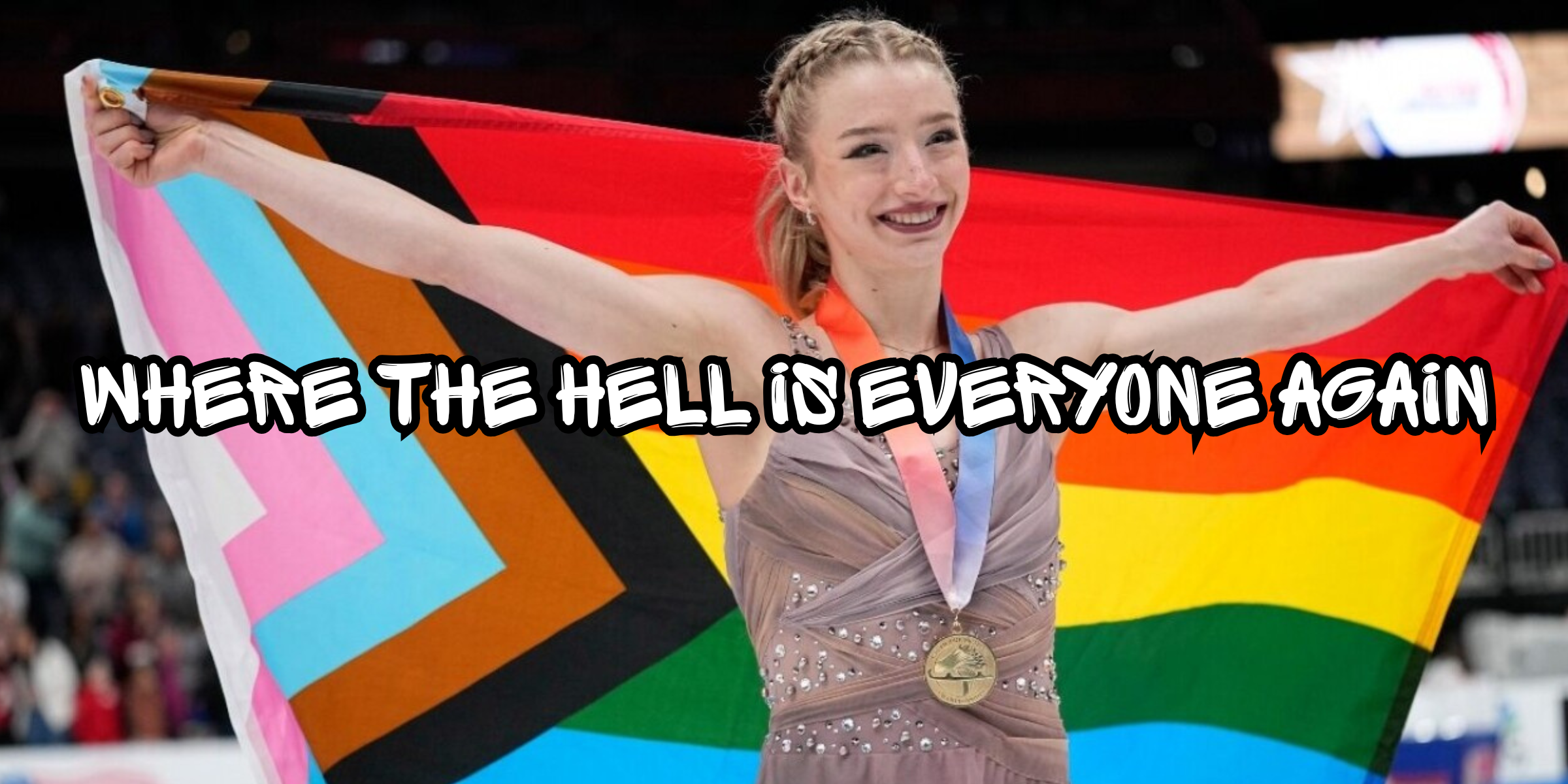
We’ve been taught that monuments and symbols represent our history. But history was never the monument itself. It was always the people who stood in front of it. Today, individuals like Amber Glenn carry that visibility, and the risk that comes with it. And when backlash follows, the silence around them raises difficult questions. Because a monument doesn’t receive threats. A logo doesn’t step away to protect its mental health. A person does. If we truly believe in protecting our history, we must protect the people still carrying it forward.
When one of the most visible queer athletes in the world is publicly harassed for refusing to shrink, you would expect the largest LGBTQ institutions to show up. They didn’t. This piece asks the uncomfortable question no one seems willing to say out loud: if we can mobilize for logos, drag story hours, and corporate DEI rollbacks, why do we go silent when a queer woman stands alone under fire? If unity disappears the moment it costs something, what exactly are we protecting… our community, or our access?
I used to think national LGBTQ organizations were important in theory but distant in practice, names you recognized but never really felt in your day-to-day life. My community was local, built in living rooms, bars, and late-night conversations where survival and solidarity happened hand to hand. After a year of relentless attacks on trans people, that distance felt even wider, and hope felt harder to hold onto. I didn’t expect an invitation to Creating Change to change much… but it did. What I found there wasn’t what I assumed, and it shifted the way I see our movement, our power, and my place within it in ways I never saw coming.
For fifteen years, My Sister Susan’s House has been the one place in Greensboro that never turned away a pregnant teen in crisis; a home where young mothers finished school, rebuilt their lives, and walked out stronger than they came in. Last year alone, 134 teens needed help… but only 18 could get in. Now, the unthinkable has happened: despite receiving a perfect federal score, the program’s funding was cut with no warning, blocking them from reapplying until 2027. The real story behind this decision is infuriating, and the fallout is devastating. This is what happens when safety nets break.
On November 4 something powerful happened beneath the noise of national scandals and televised drama. While the country argued over headlines, real voters in real communities made choices that shape daily life. They picked the people who will run their schools, protect their libraries, support their neighborhoods, and safeguard their LGBTQ neighbors. The results revealed a shift that cannot be ignored. Voters pushed back on fear, misinformation, and manufactured culture wars, choosing hope, inclusion, and local leadership that reflects who we are. If you want to understand where meaningful progress truly begins, this is the story that shows how it happens.
Charlie Kirk’s assassination did not just spark grief. It set off a wave of political theater. From flags lowered in Washington, to Air Force Two carrying his casket, to Trump and JD Vance turning his death into a loyalty test, the aftermath reveals more about the state of American democracy than about Kirk himself. This article breaks down how a single tragedy is being weaponized in real time.
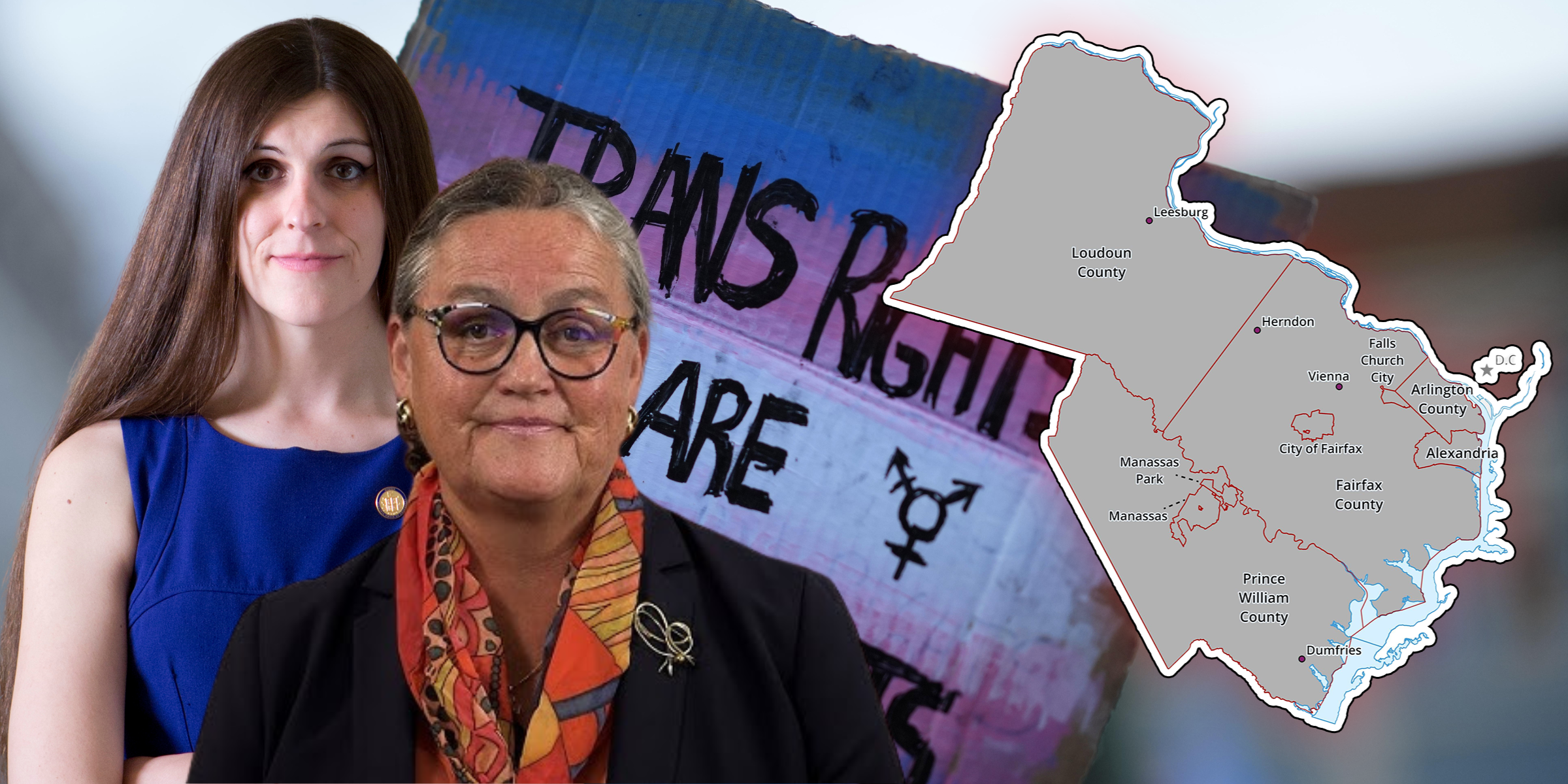
Across the country, transgender children are being used as political pawns; cast as threats in ad campaigns, school board debates, and court battles. This article explores how fear of trans visibility has been weaponized to mobilize voters, drawing direct parallels to earlier struggles over racial integration and women’s rights. From Title IX fights to Virginia school districts refusing to roll back protections, it shows how today’s resistance is part of a much larger story: whether we stand together to defend progress, or allow history to repeat itself at the expense of the most vulnerable.
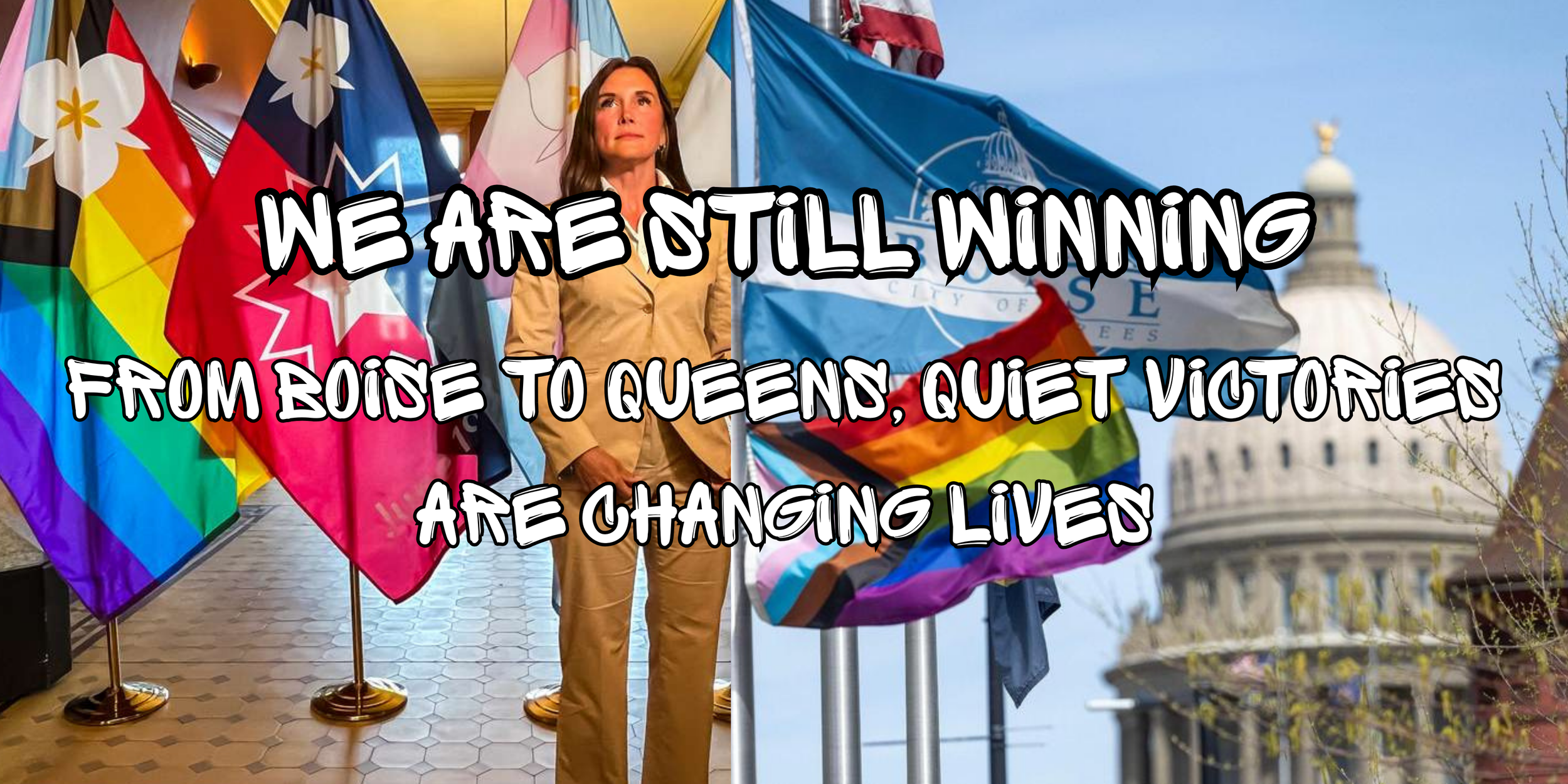
Far from the headlines and outrage, LGBTQ+ communities are building quiet victories every day; from trans-only shelters in Queens to Pride flags flying over city halls in Idaho and Utah. These stories of courage, care, and belonging prove that even in the hardest states, we are still winning.
If you’ve ever felt torn between shouting in the streets and navigating quiet, strategic change — this post is for you. I wrote Activism with Perspective: Fighting Loudly, Loving Strategically as a reminder that movements are built on more than outrage. They’re built on tension, on compromise, on resilience, and on hope. This is a call to keep fighting fiercely while loving smartly — to hold our leaders accountable without turning on each other. If you care about justice, community, and how we actually win — read on.
Last weekend, I had the profound honor of attending TransPride DC—a space overflowing with love, resilience, and unapologetic authenticity. In a world that too often tries to silence or erase trans lives, this gathering felt like a radical act of joy and defiance. From heartfelt hugs to empowering panels, it was more than a celebration—it was a homecoming. I left reminded that trans joy is not only real, but revolutionary.
President Trump’s executive order bans transgender Americans from military service, threatening them with dishonorable discharge simply for their identity. The Supreme Court’s decision to allow the order to proceed places countless decorated and courageous trans service members at risk. Despite these attacks, transgender military personnel continue to serve with honor, breaking barriers and defending both their country and the rights of others.
On May 2, 2025, a police raid at Pittsburgh’s P Town Bar echoed the historic targeting of LGBTQ+ spaces, sparking urgent calls for solidarity. Allie argues the LGBTQ+ community cannot wait for another tragedy to unite, especially as anti-trans legislation spreads largely unchecked. The post urges grassroots action, demanding dignity, justice, and protection for events like WorldPride 2025, led by a fierce, united rainbow coalition.